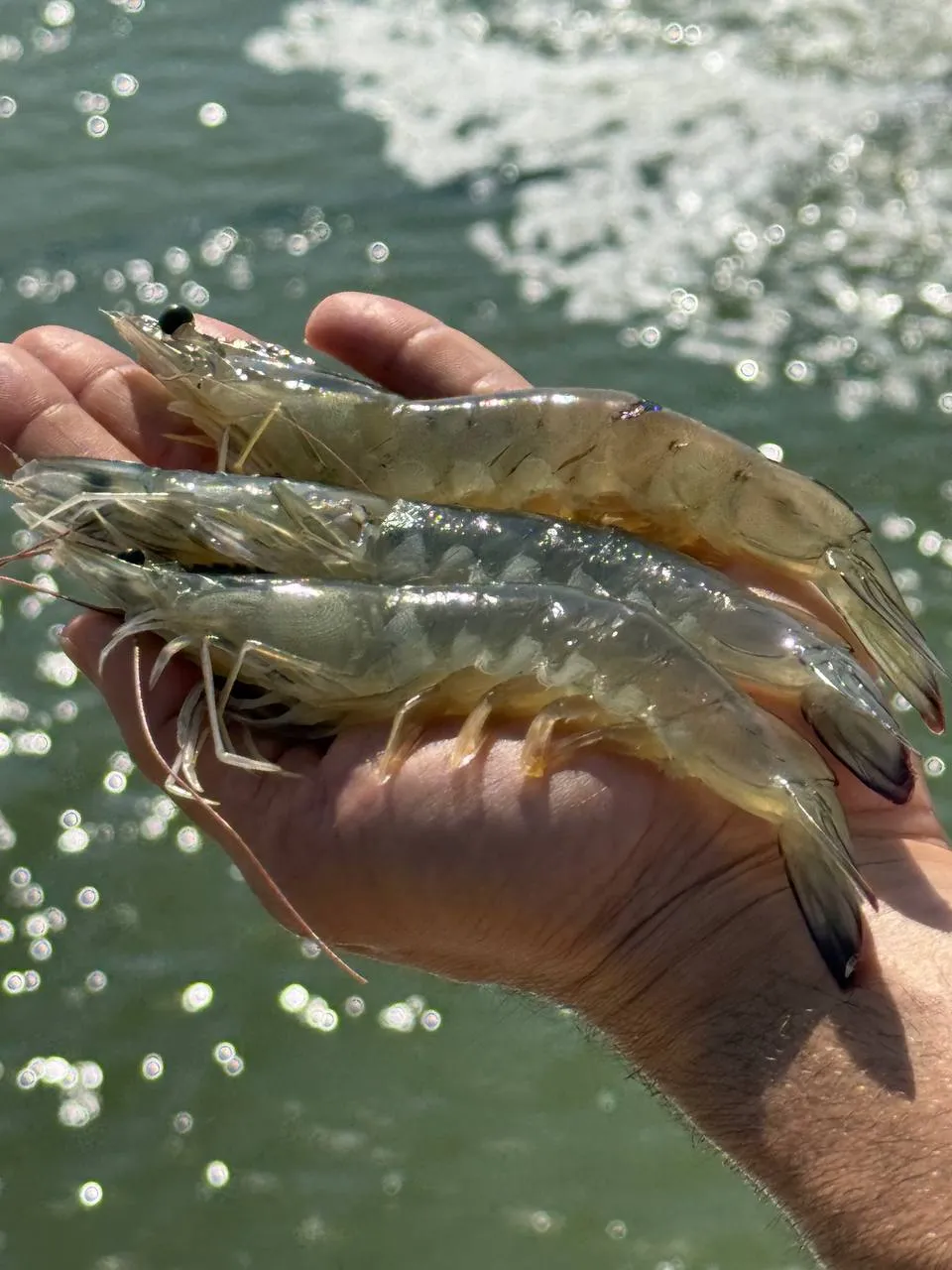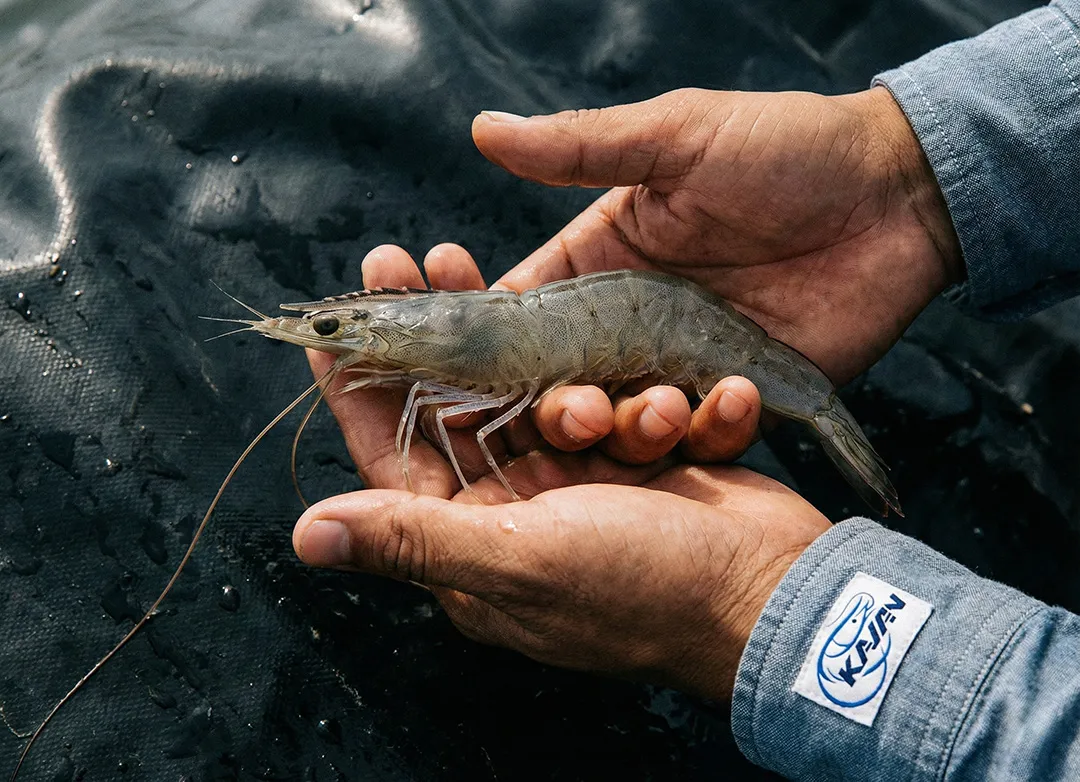
Kavan Activity Chain
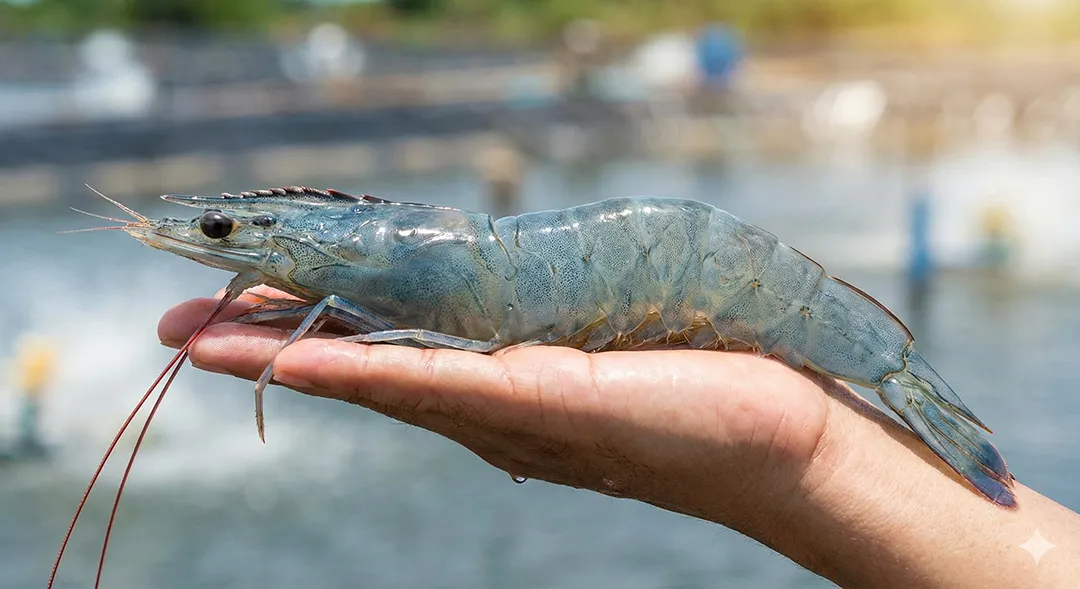
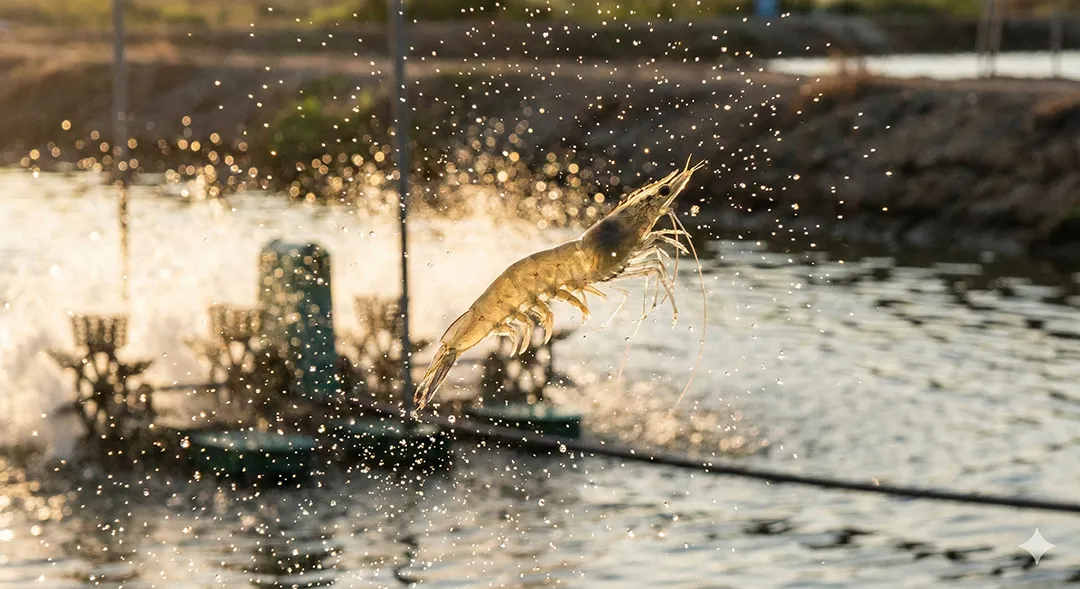
Shrimp Breeding
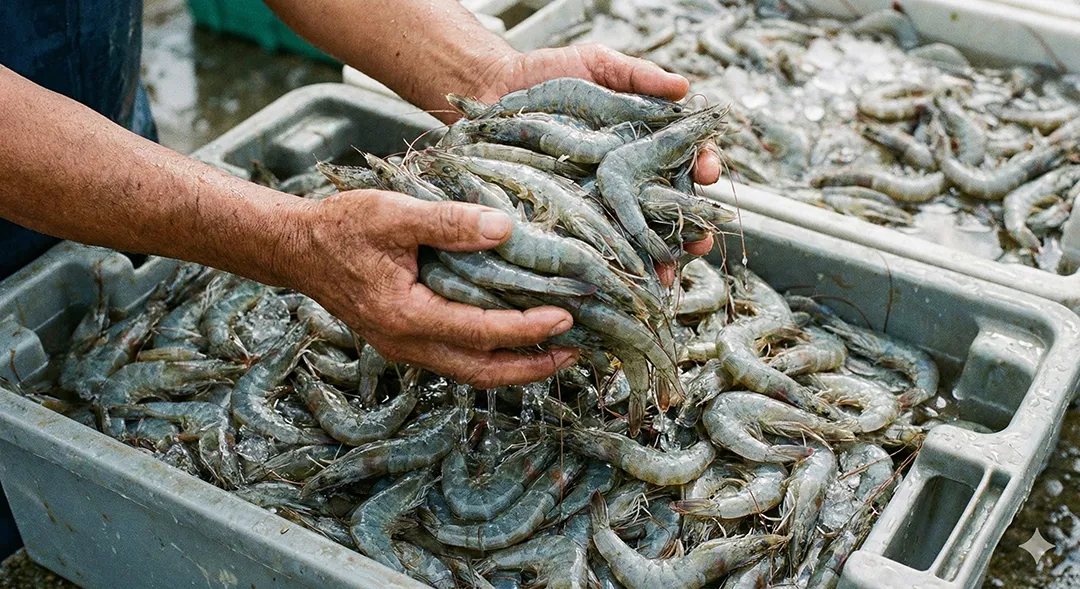
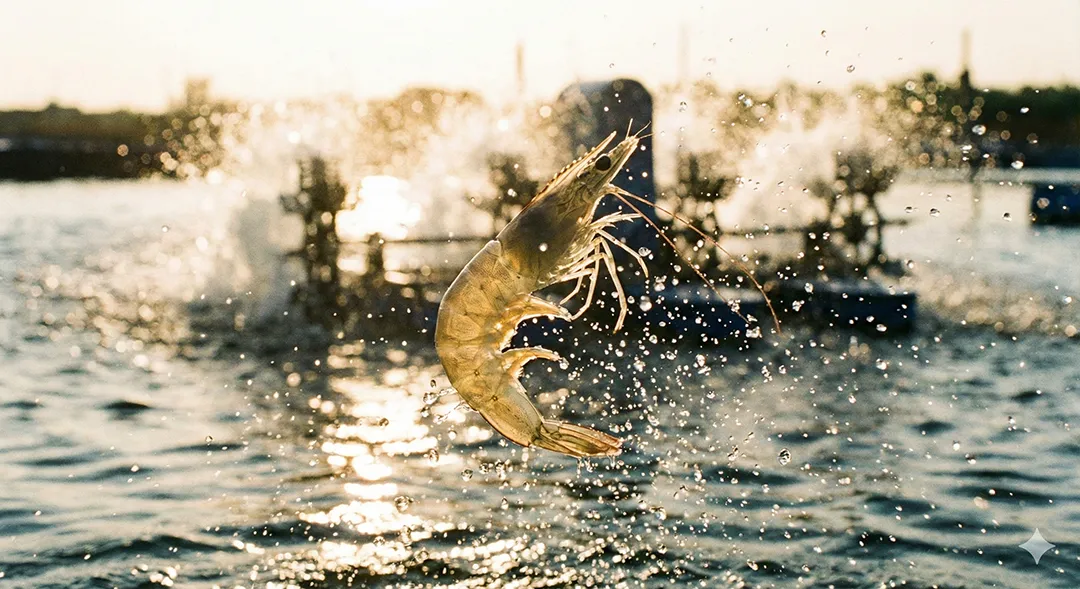
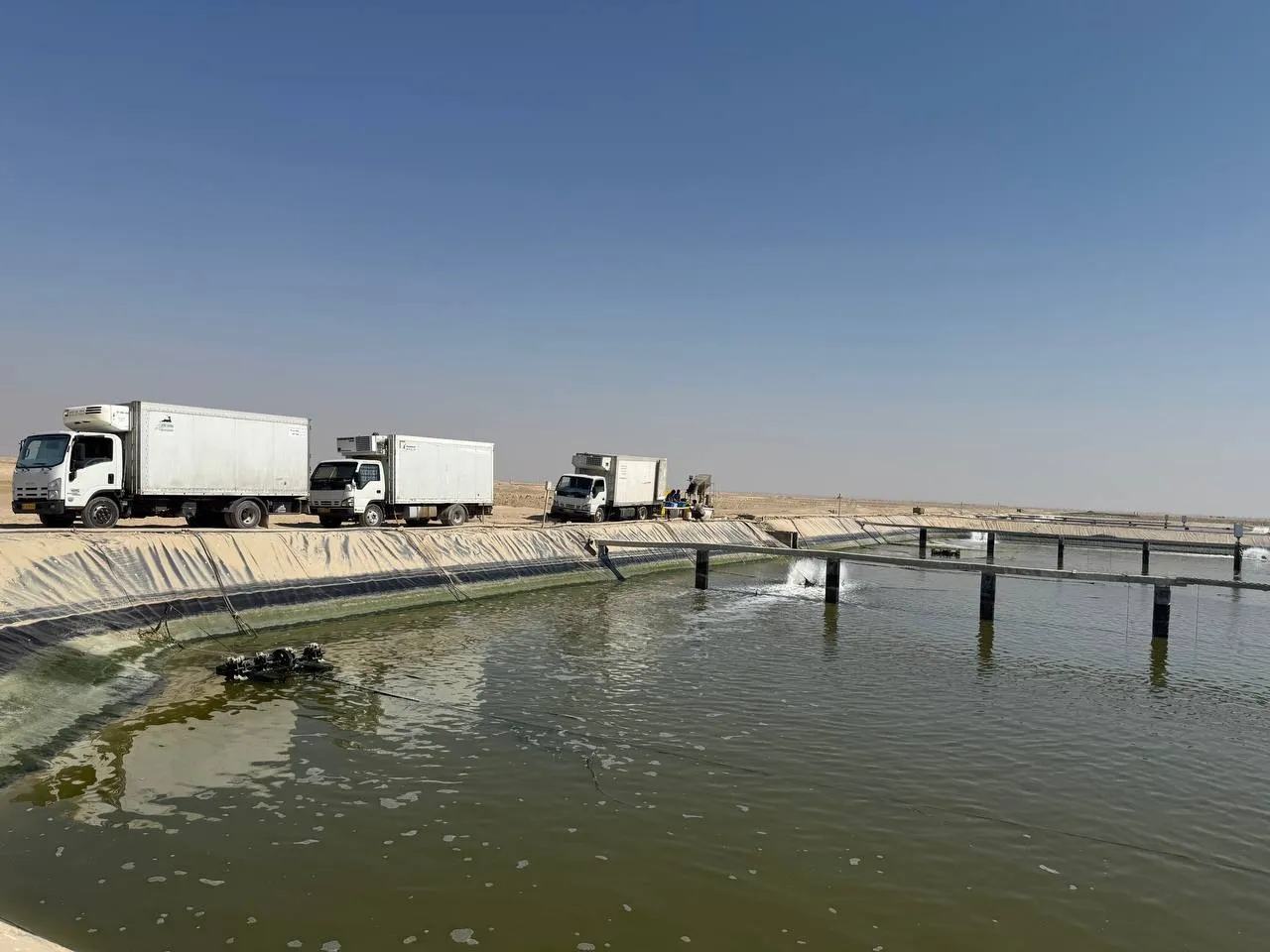
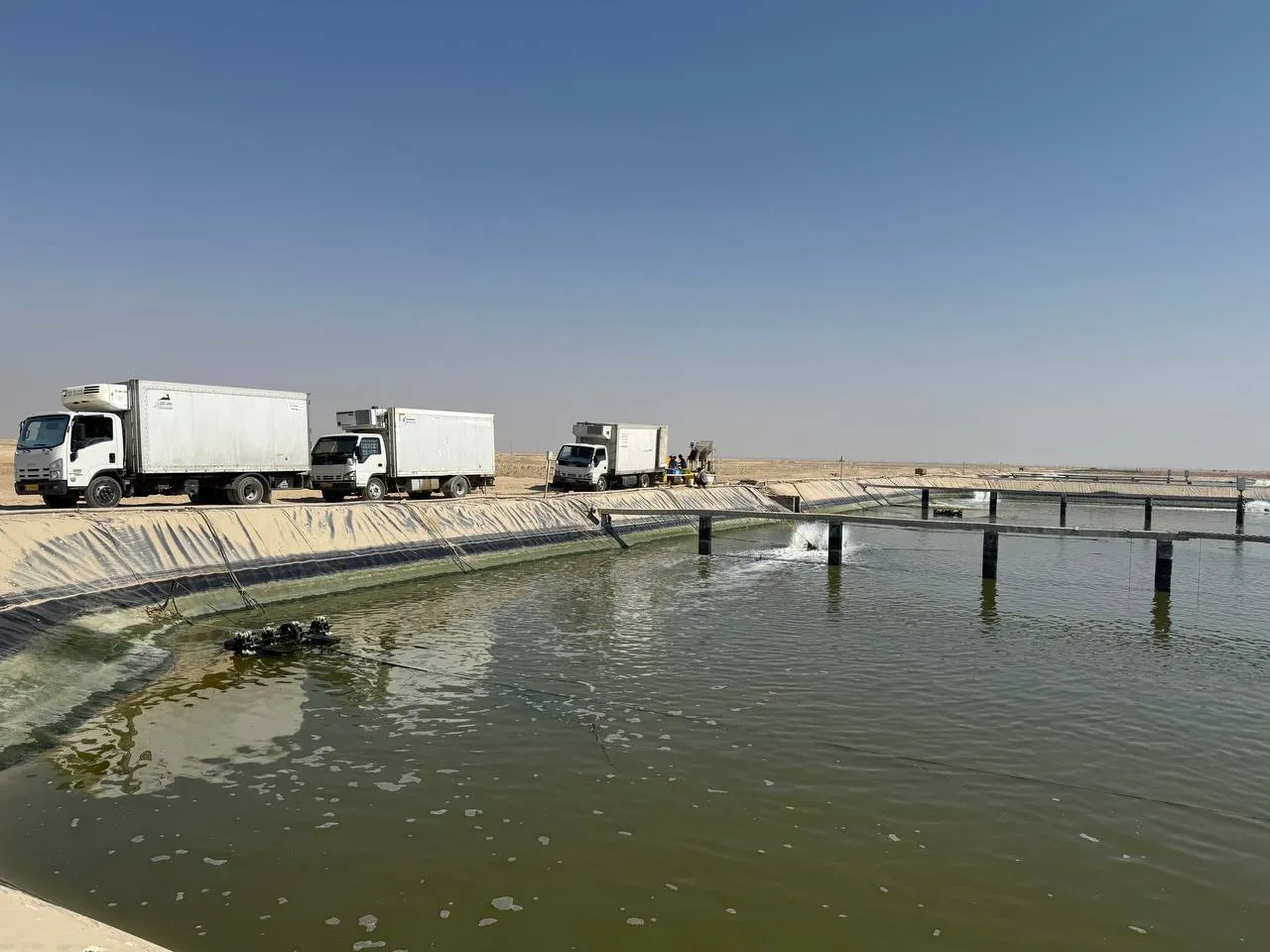
Shrimp Farming
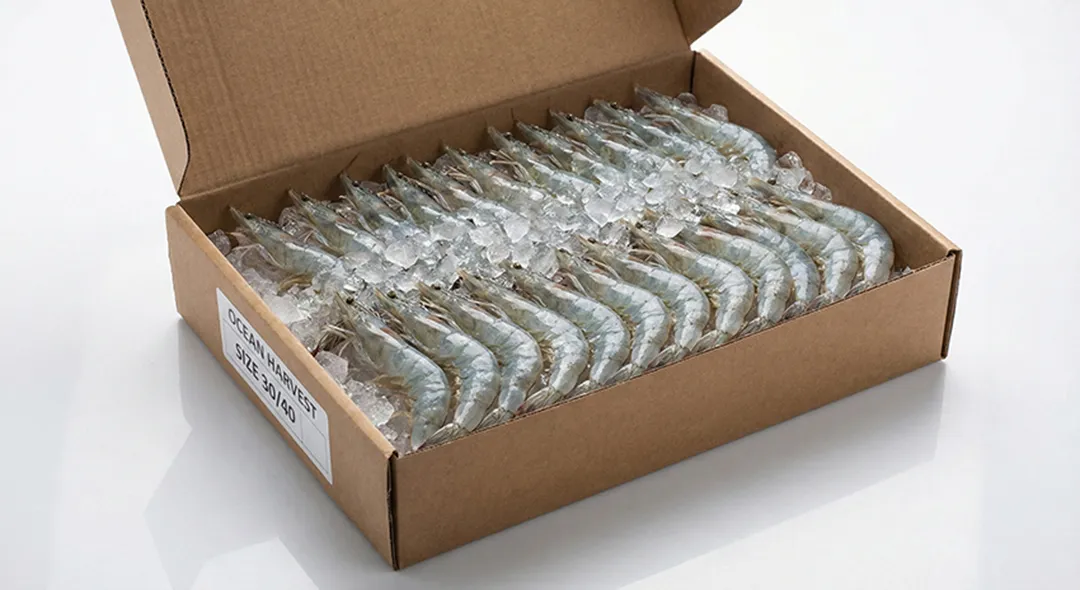
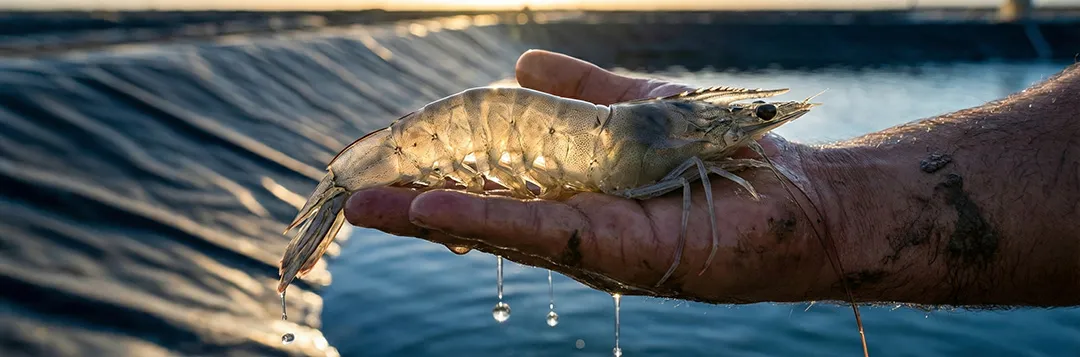
Processing & Packaging
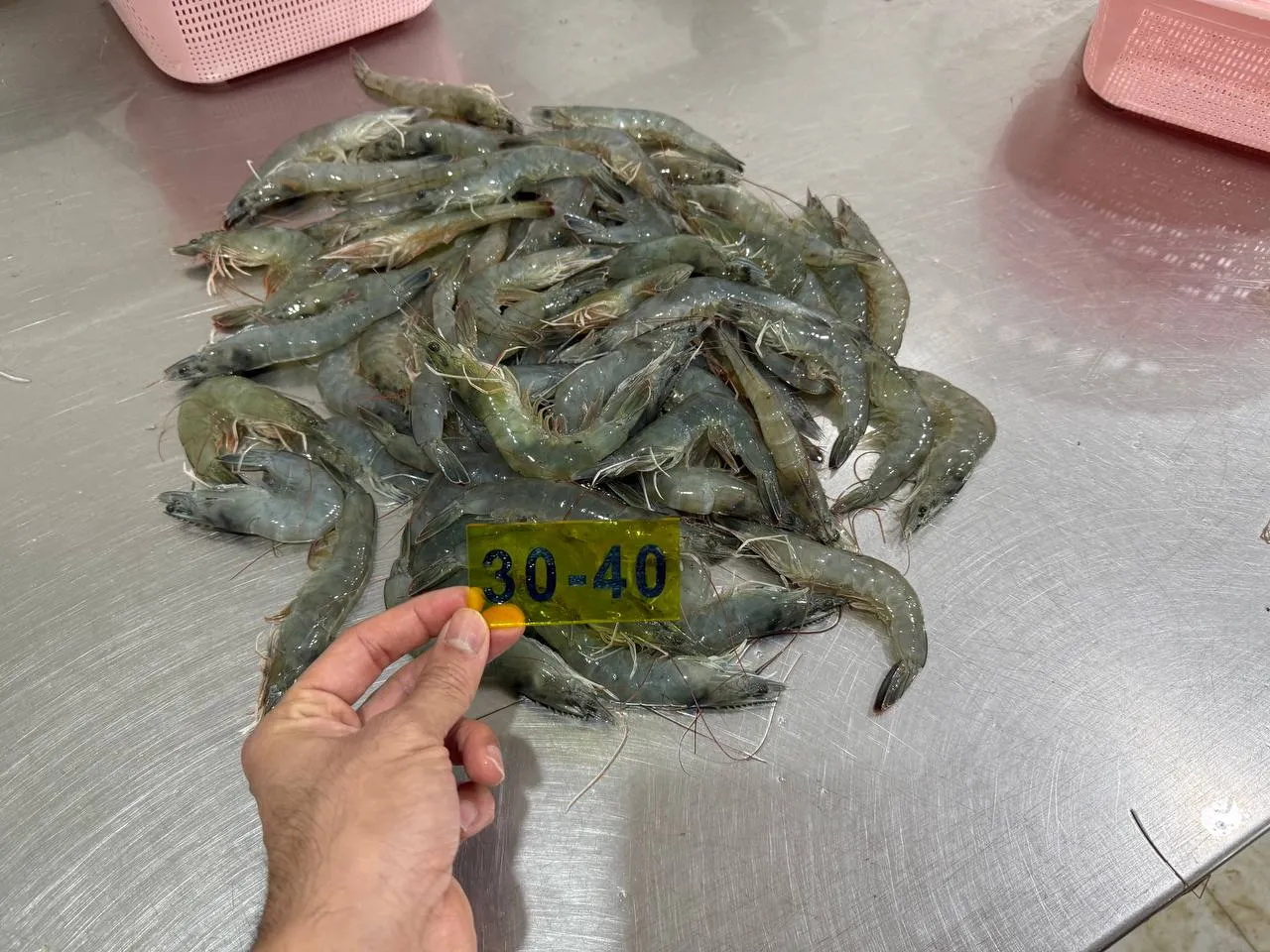
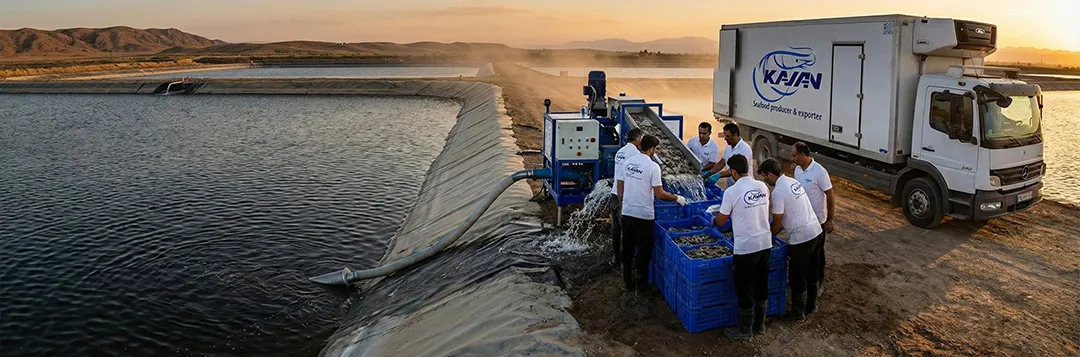
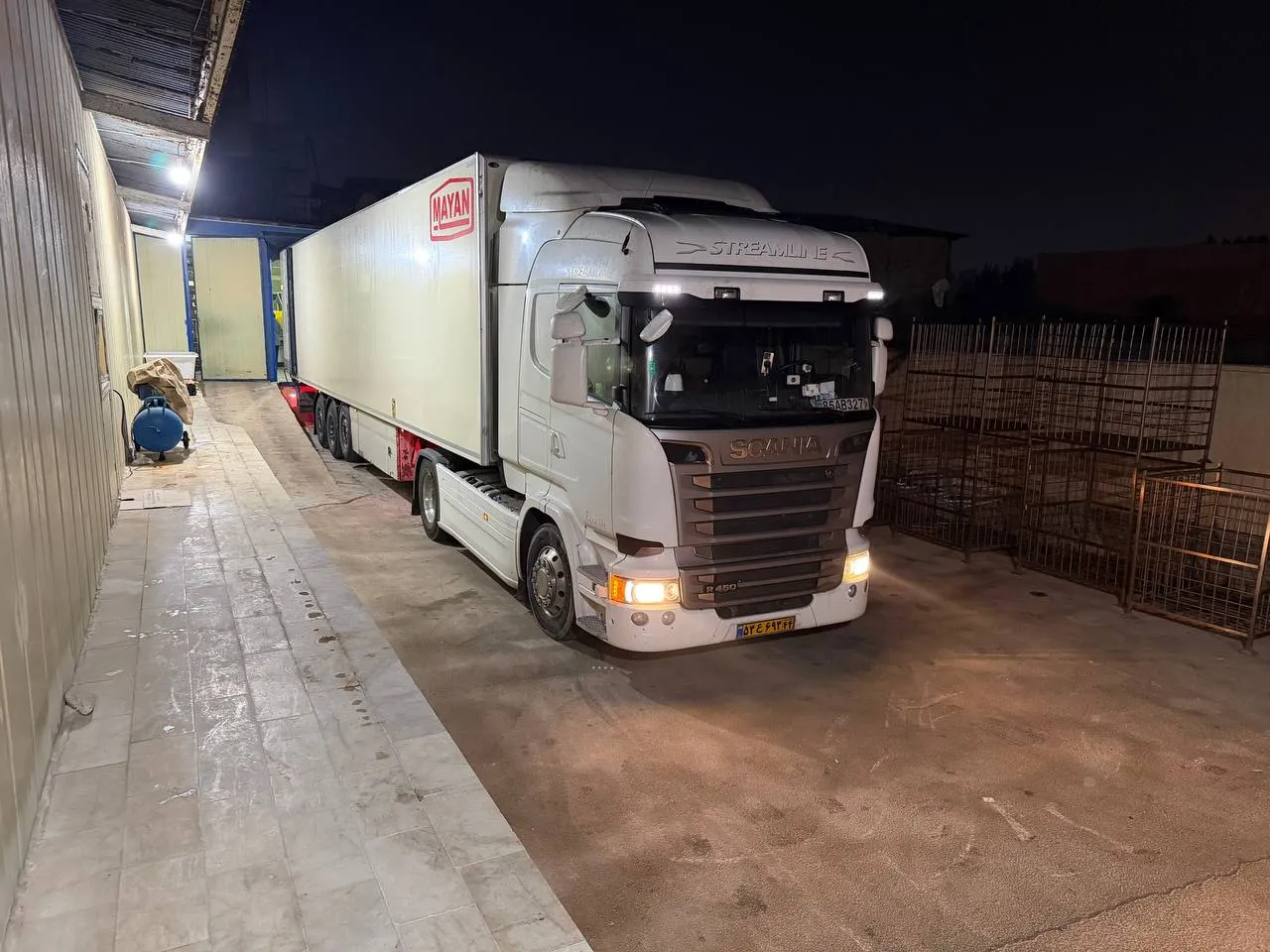
Export
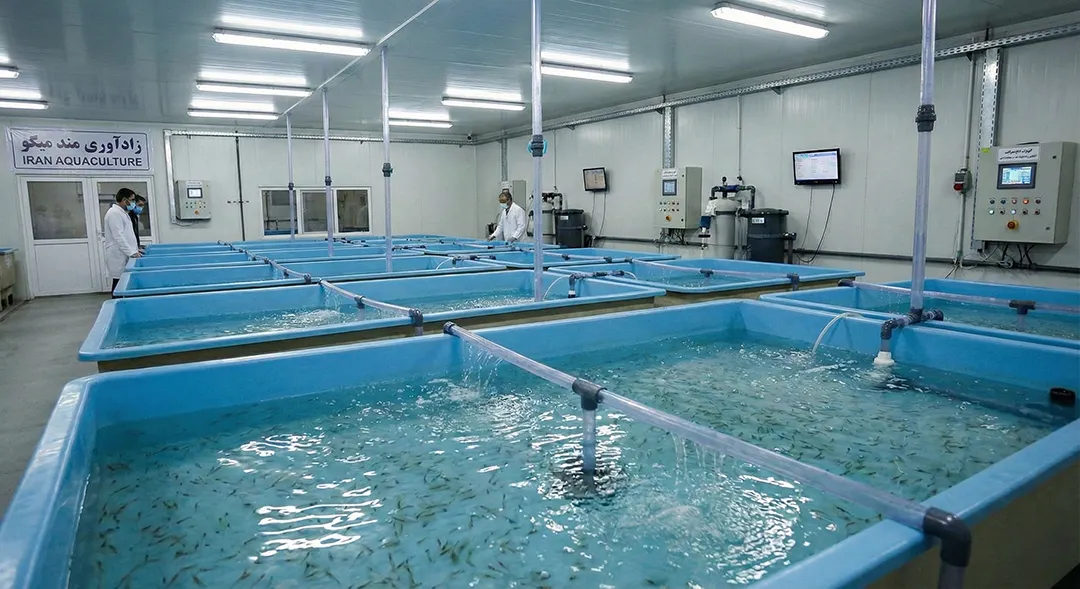
Shrimp Breeding
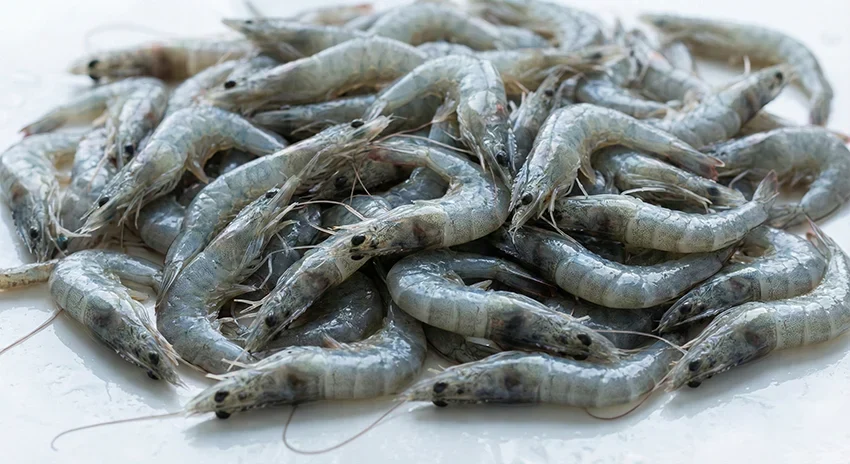
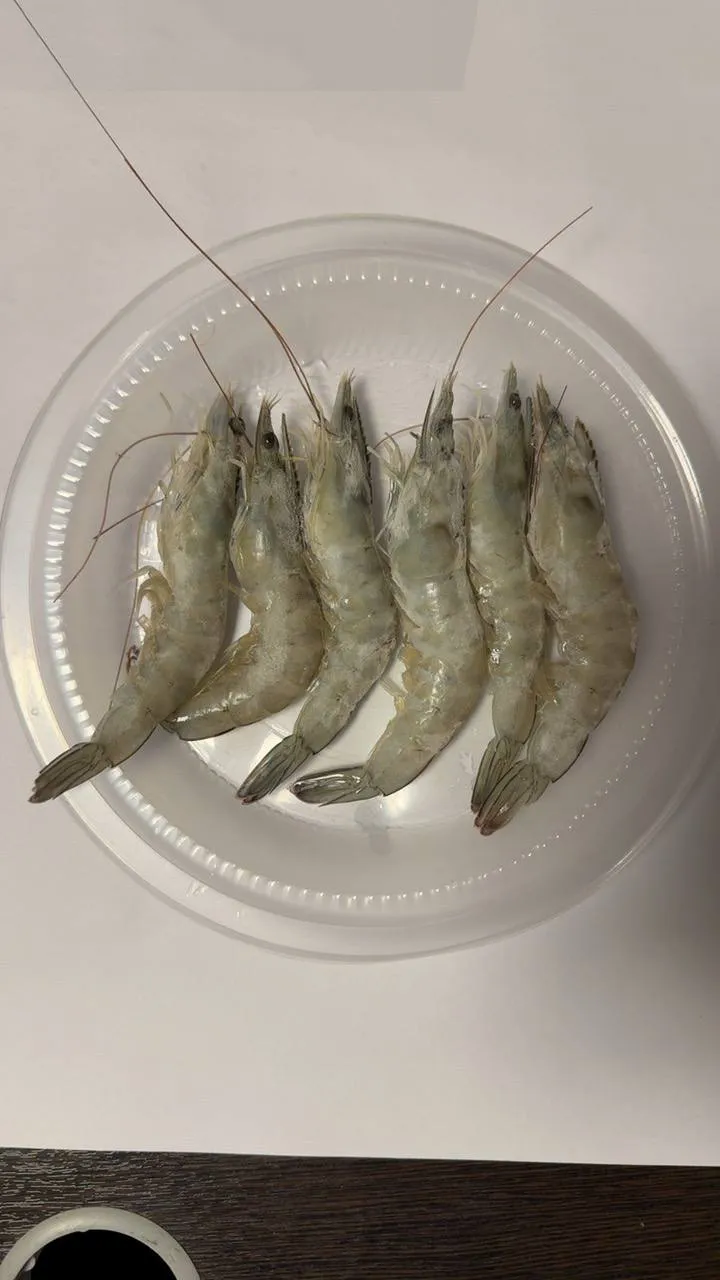
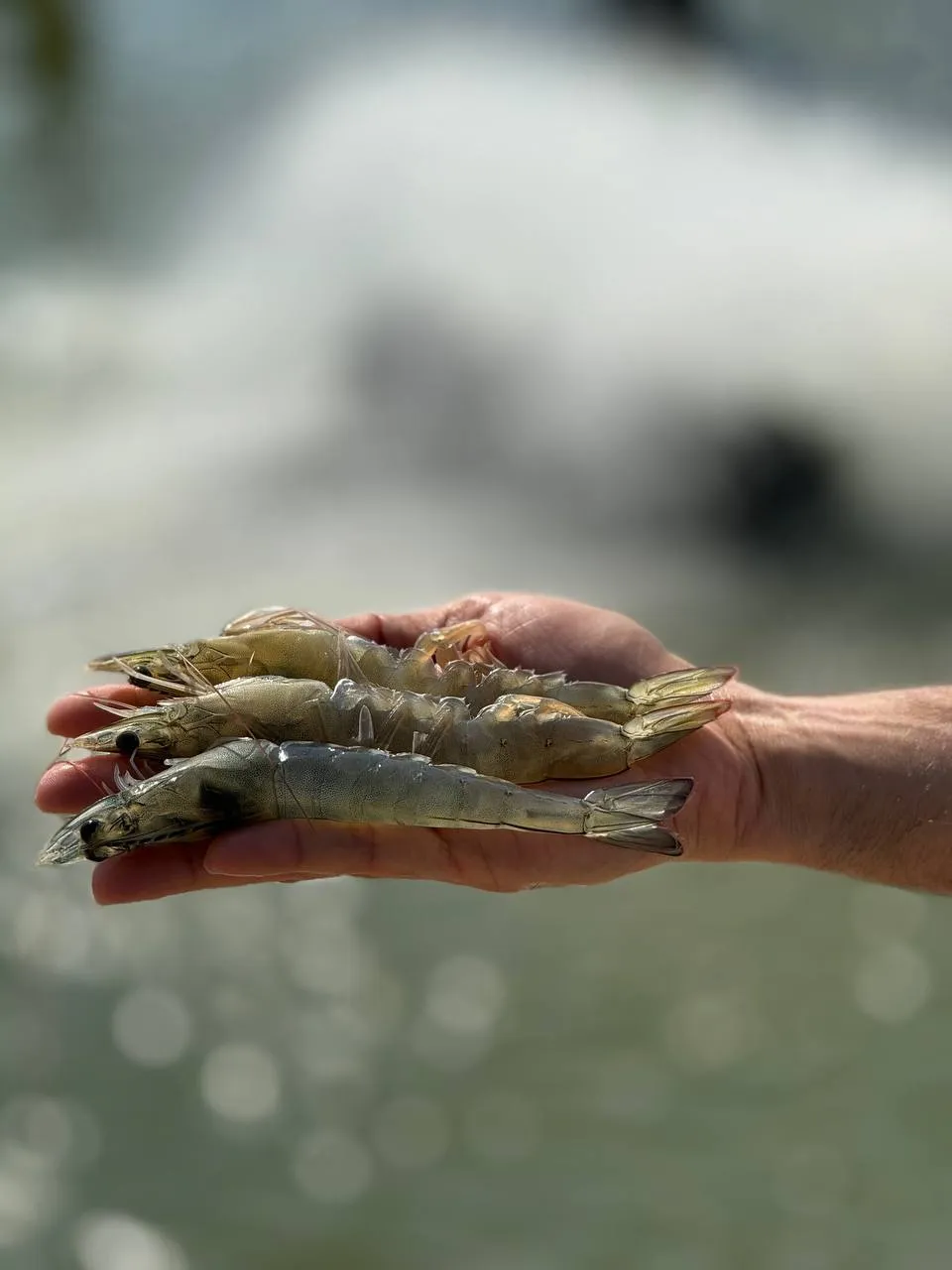
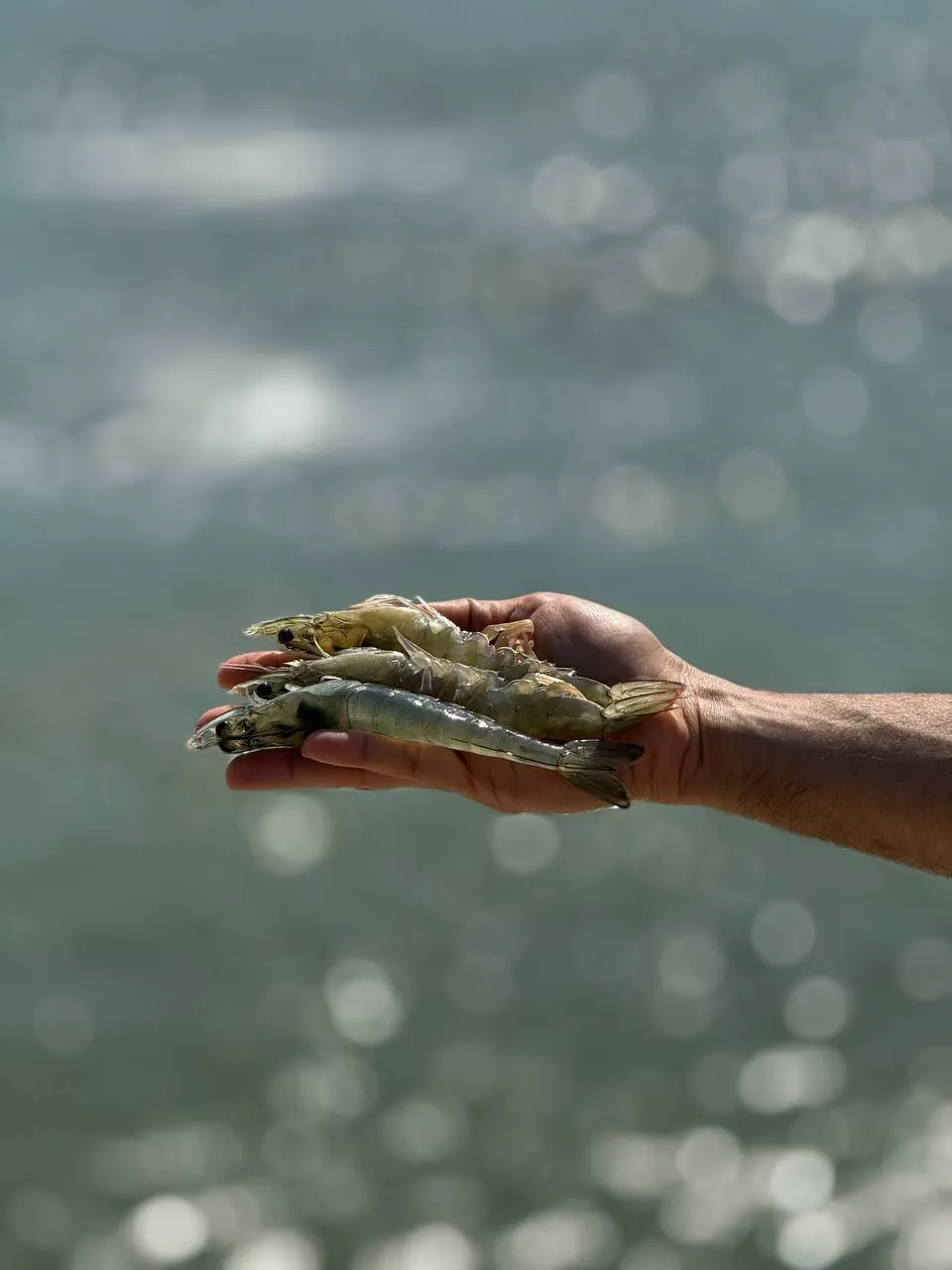
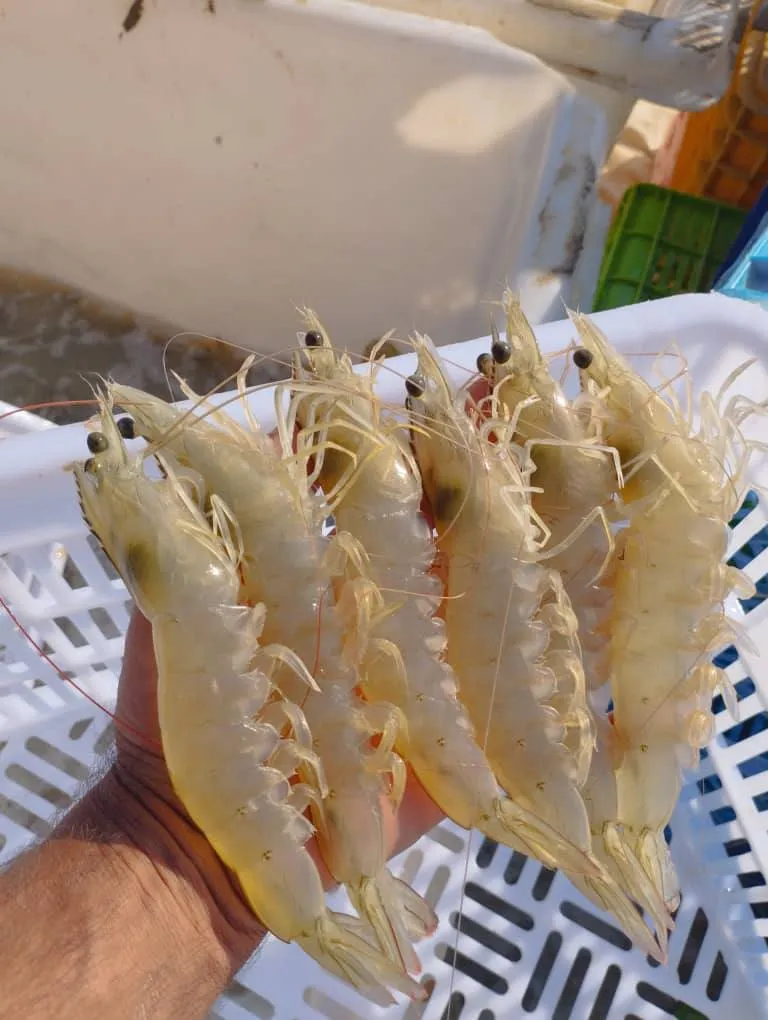
In today’s world, shrimp breeding, especially the Vanamei species (Litopenaeus vannamei), is conducted through artificial methods using advanced hatcheries. This process is performed commercially within the fisheries industry to meet the demands of global markets.
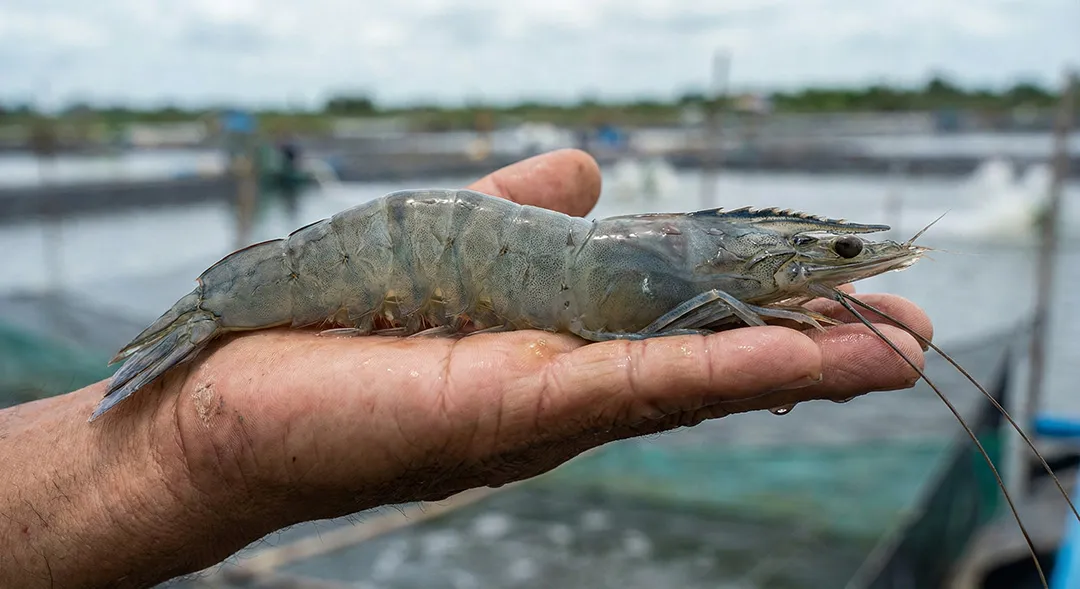
Shrimp Farming
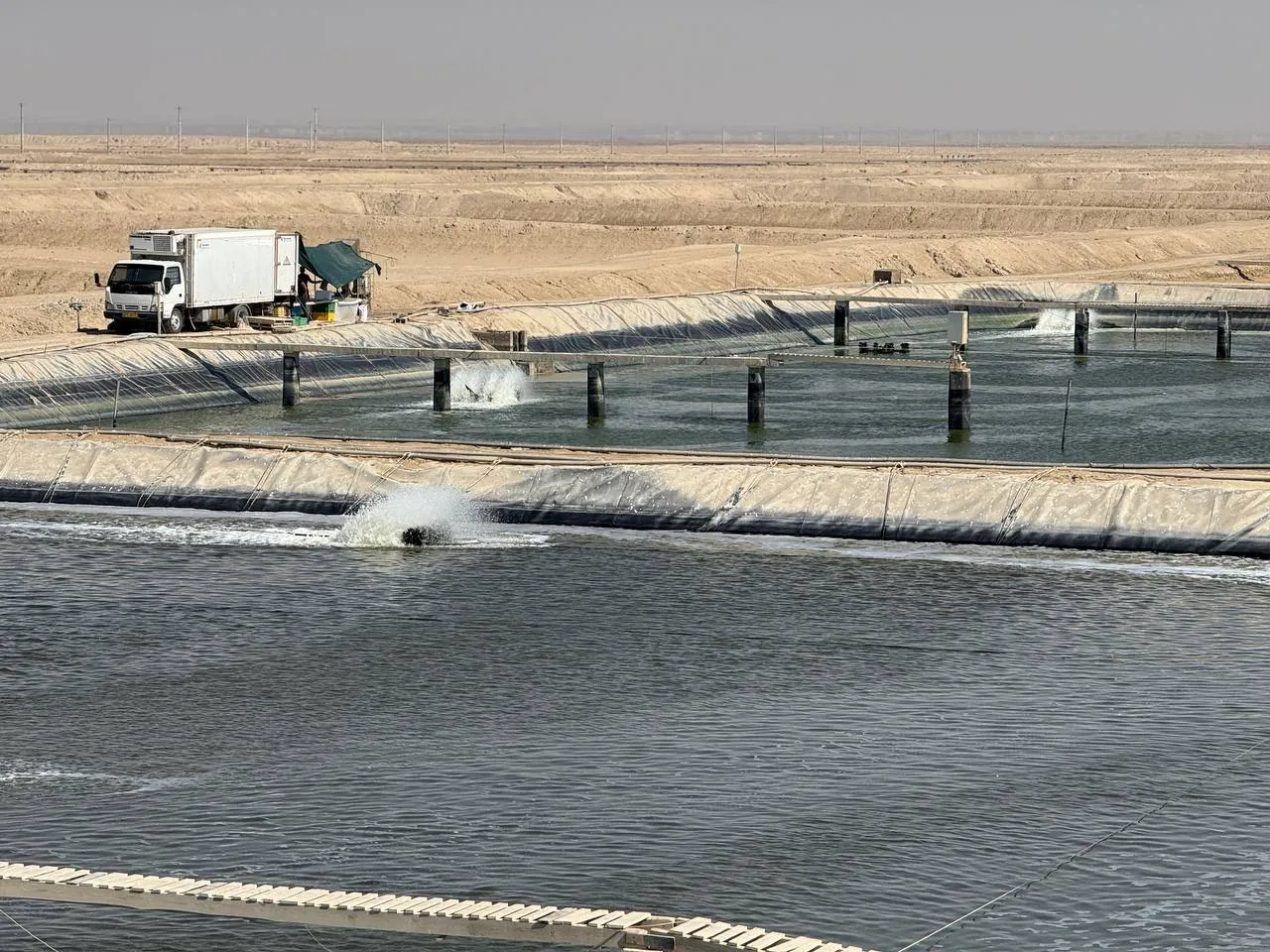
Vanamei shrimp farming is a vital sector of the fisheries industry, particularly in regions with suitable water resources. The cultivation process begins by releasing healthy post-larvae (PL10–PL15) into earthen ponds or more intensive systems.
Shrimp Processing
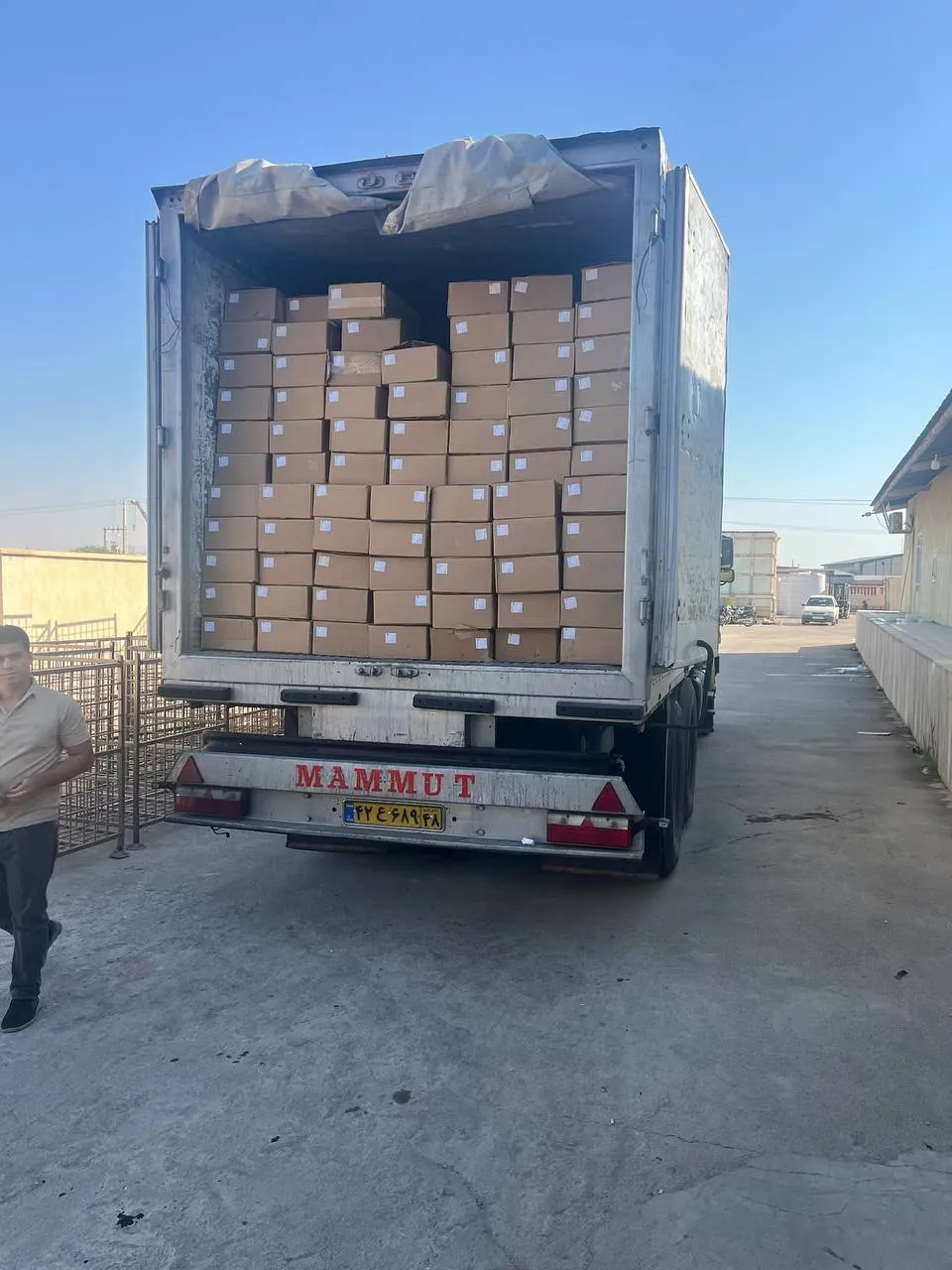
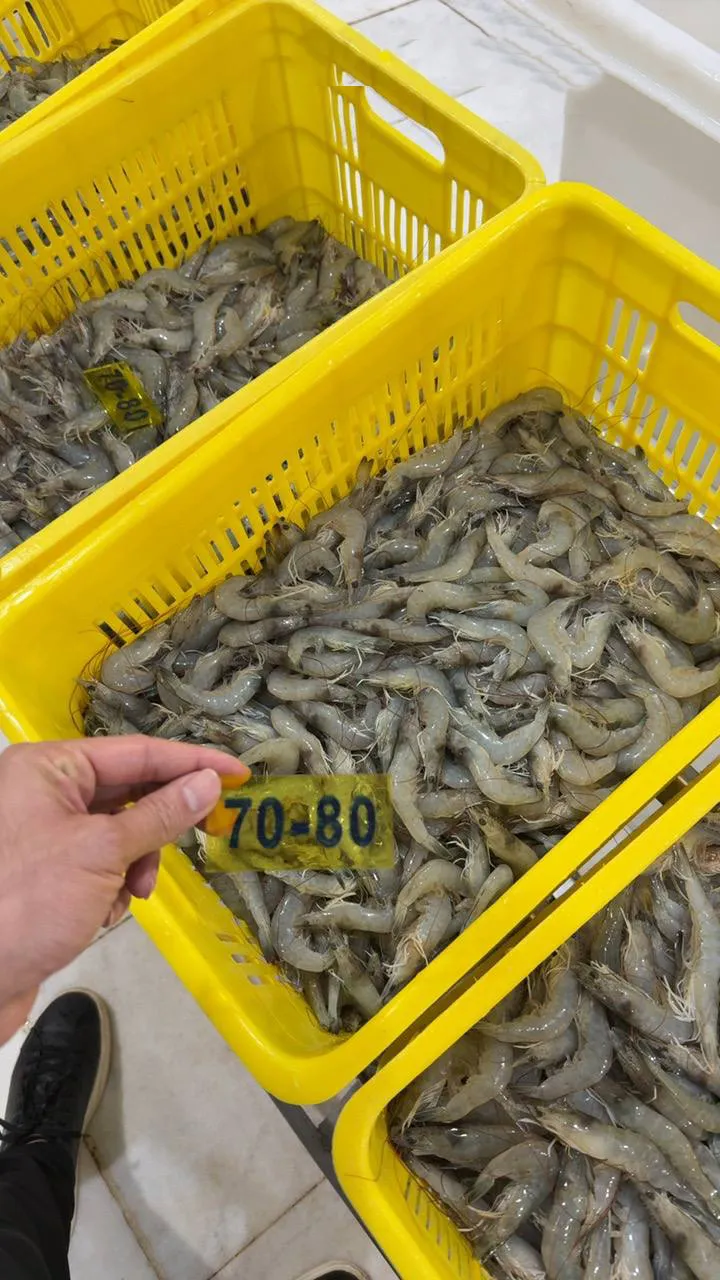
After harvesting, the cold chain process is of paramount importance. Shrimp must be quickly washed and stored in ice or ice water to ensure their temperature reaches approximately 0°C. Rapid transportation to the processing plant is a critical stage in this cycle.
Export
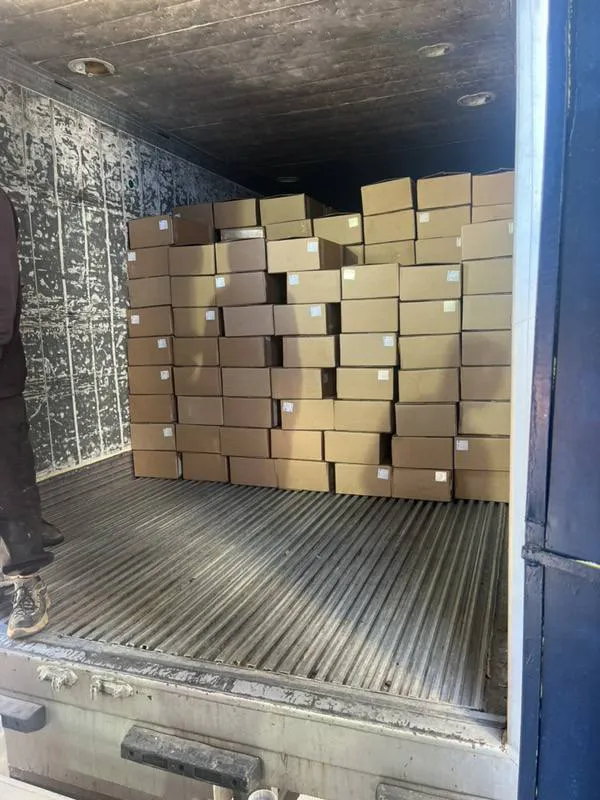
Shrimp is recognized as one of the most valuable and profitable seafood products in global trade, with high demand across various countries. Thanks to its rich natural resources and advanced processing infrastructure, Iran is considered one of the primary shrimp exporters in the region. To succeed in this field, a precise understanding of target markets, legal requirements, and international standards is essential.
Shrimp Breeding
Vanamei Shrimp Breeding: Advanced Hatchery Processes
In today’s world, shrimp breeding, especially the Vanamei species (Litopenaeus vannamei), is conducted through artificial methods using advanced hatcheries. This process is performed commercially to meet global market demands.
Larval Growth Stages: From Spawning to Transfer
The shrimp breeding process typically begins with the spawning of broodstock, progressing through the following critical stages:
- Nauplius Stage: After 14 to 18 hours, larvae enter the Nauplius stage. Lasting ~2 days, larvae grow using yolk sac reserves only and do not require manual feeding.
- Zoea Stage: Next, the Zoea stage lasts 4 to 5 days, during which larvae feed on phytoplankton.
- Mysis Stage: The Mysis stage lasts 3 to 4 days, where larvae start resembling adult shrimp and feed on zooplankton (e.g., Artemia).
- Post-larva (PL) Stage: In 10 to 15 days, larvae reach desired weight and resistance, ready for transfer to grow-out ponds.
Overall Breeding Timeline
The transformation from egg to the first day of the post-larval stage takes ~11 to 12 days. This period is carefully supervised to ensure larvae health and quality.
Shrimp Farming
Management of Pond Preparation and Post-Larva Stocking
The Vannamei shrimp farming industry (Litopenaeus vannamei) is one of the most profitable pillars of aquaculture in coastal regions. Success begins with precise pond preparation. Before stocking, drying, liming, pond bottom conditioning, and water filling are carried out.
After optimal conditions are confirmed, healthy post-larvae (PL10–PL15) are stocked into earthen ponds or intensive culture systems.
Key Factors During the Grow-Out Period and Feed Management
- Feed management and feeding programs aimed at improving the Feed Conversion Ratio (FCR)
- Effective aeration and proper water circulation
- Control of diseases such as White Spot Syndrome and EMS/AHPND
- Implementation of biosecurity principles: disinfection of entry points, traffic control, and water sterilization
Stocking Density and Farming Infrastructure Determination
- Farming systems: extensive, semi-intensive, intensive, and super-intensive
- Infrastructure factors: number and type of aerators, water exchange, and filtration
- Engineering pond design: appropriate depth, mechanization, liners, and central drainage systems
Importance of Post-Larvae Quality and Final Harvest
The use of uniform, disease-free post-larvae (SPF/SPR), along with consideration of climatic conditions, reduces production risk. In a standard production cycle, shrimp reach a weight of 15–25 grams within 4 to 6 months, and harvest yield depends on the quality of management and environmental conditions.
Shrimp Processing
The Critical Importance of the Cold Chain After Harvest
In the seafood industry, maintaining product quality starts immediately after shrimp harvesting. Implementing a strict Cold Chain is crucial to prevent spoilage and preserve the shrimp’s texture. Shrimps must be washed and submerged in ice or ice slurry instantly to bring their core temperature down to approximately 0°C. Rapid transportation to the processing plant is a vital step in ensuring the final product’s freshness.Factory Processing and Product Variations
Upon arrival at the processing facility, shrimps undergo rigorous receiving, grading, and washing procedures. Depending on market demands and customer specifications, shrimp processing is conducted in various forms, including:- Head-On / Shell-On (HOSO)
- Headless / Shell-On (HLSO)
- Peeled and Deveined (P&D)
- Cooked or Blanched
- Freezing methods such as IQF (Individually Quick Frozen) or Block Frozen
Hygiene Standards and HACCP Compliance
Ensuring food safety requires strict adherence to international standards like HACCP. Quality control teams must carefully monitor critical factors, such as:- Microbial and chemical requirements
- Residues of antibiotics (drugs) and heavy metals
- Sulfite levels
Export Packaging and Labeling Requirements
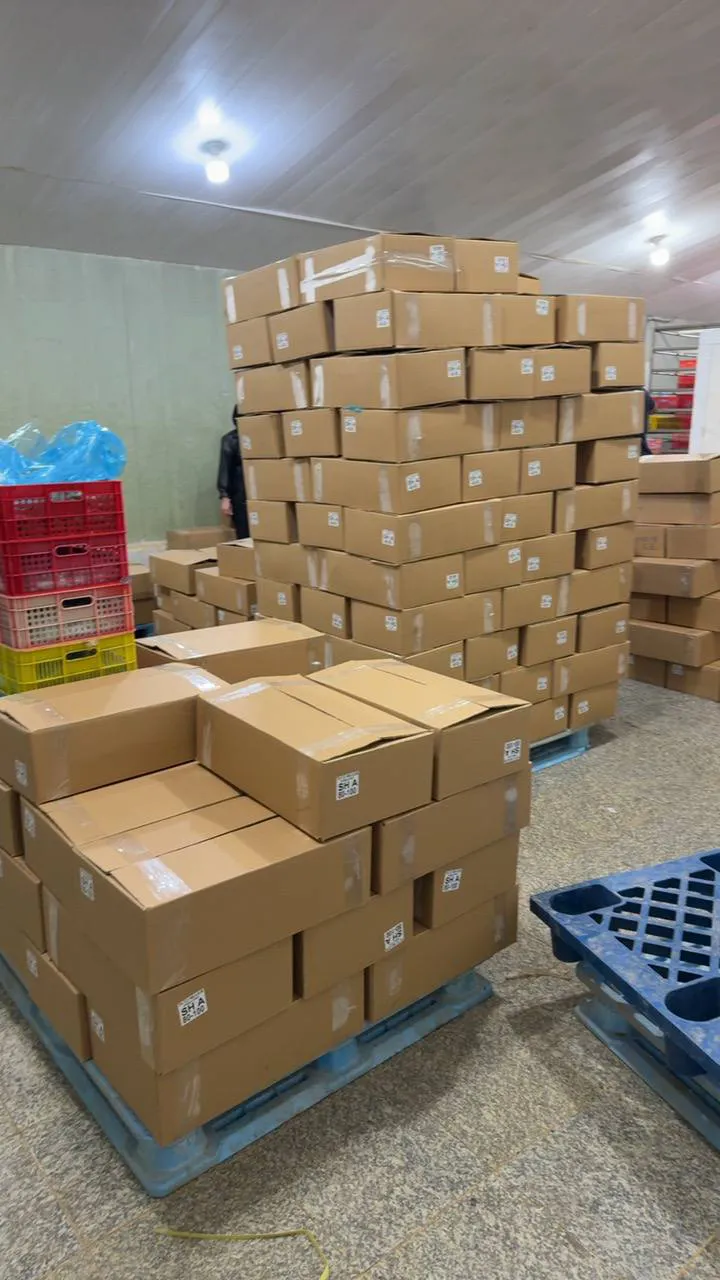
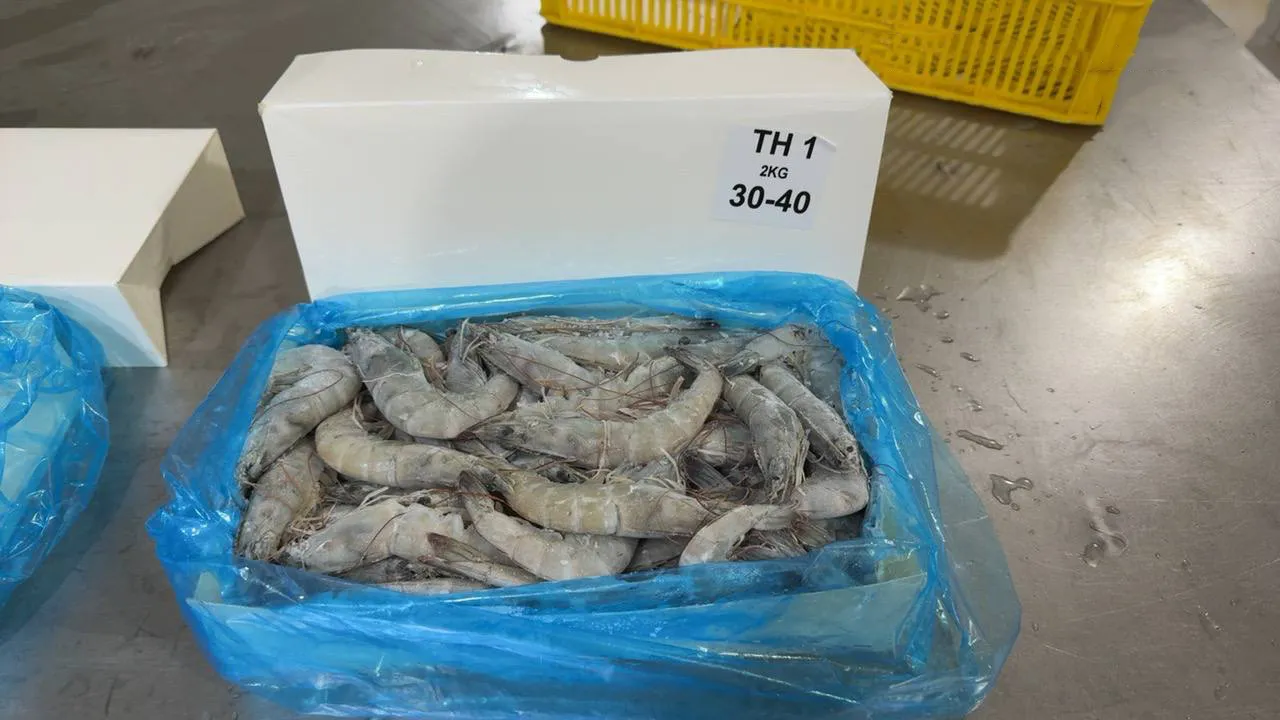
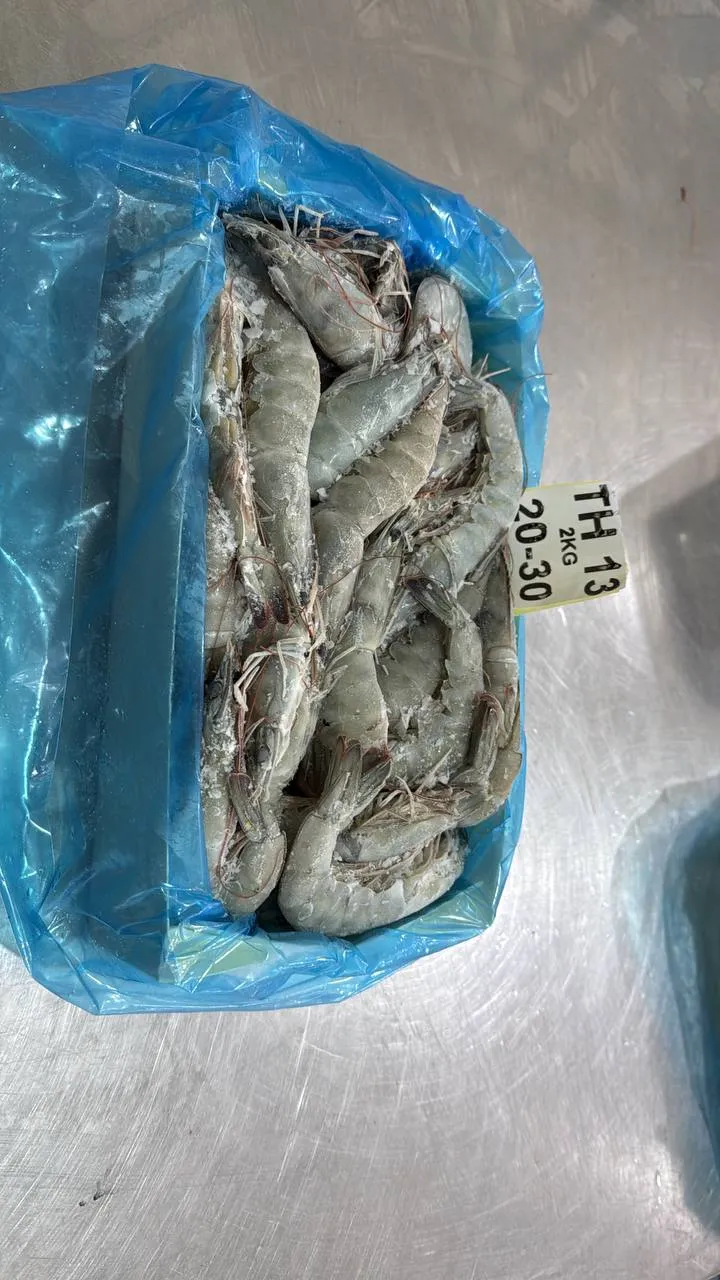
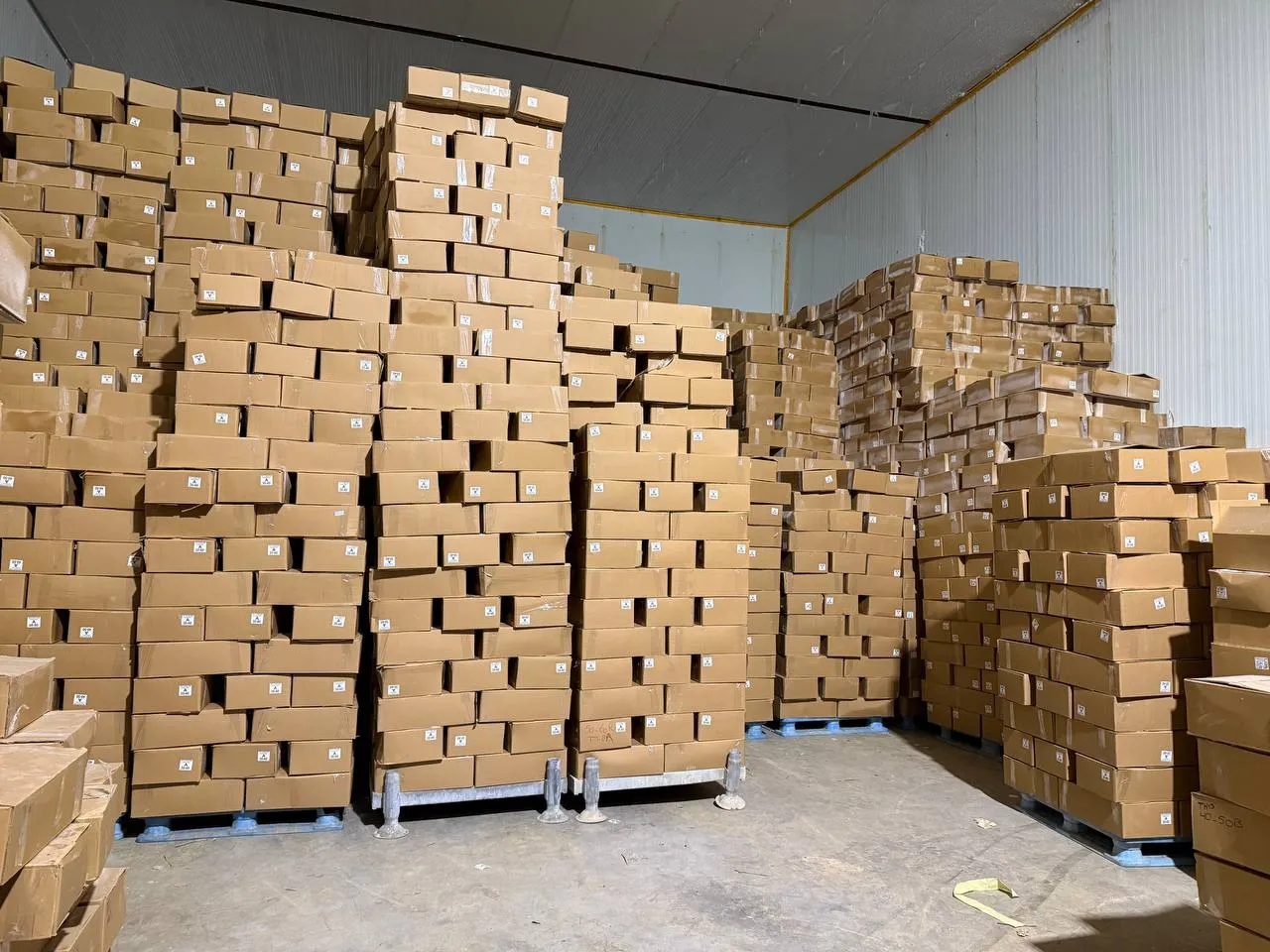
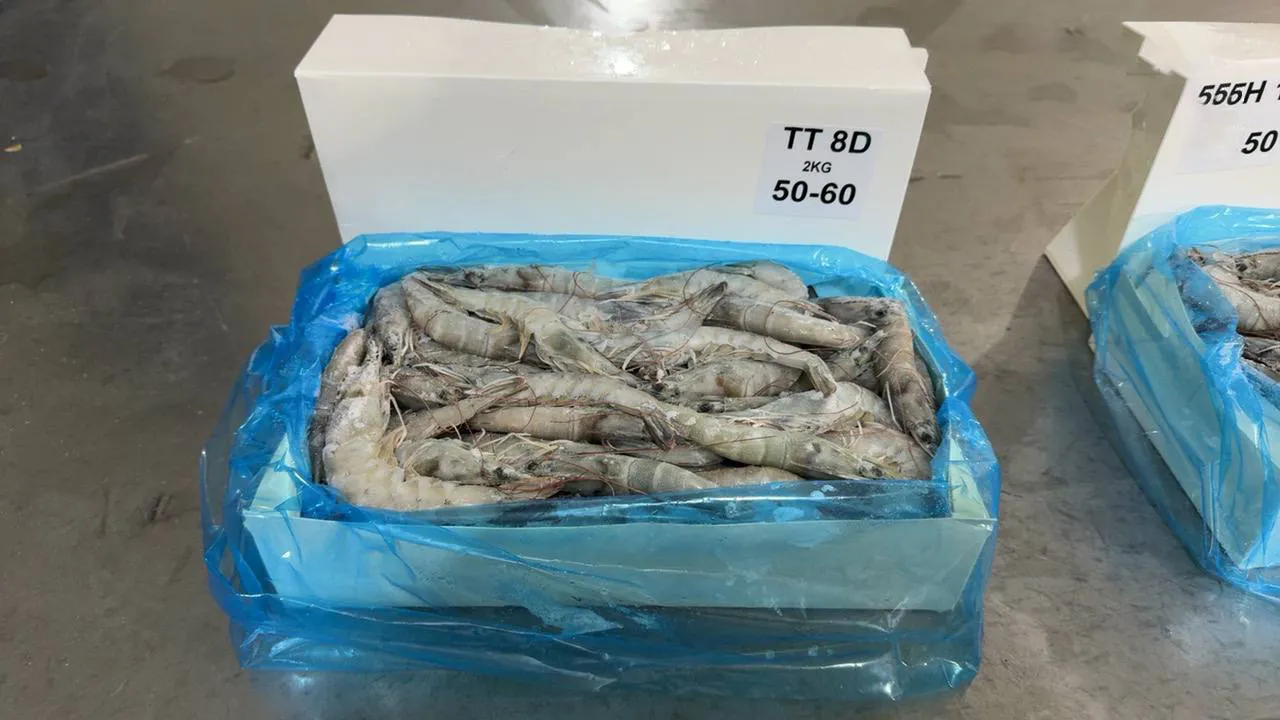
The final stage involves shrimp packaging tailored to the destination market’s regulations. Proper packaging includes detailed labeling that displays essential information such as sizing and grading, quality type, production and expiration dates, storage conditions, and the country of origin to meet global export standards.
Export
Export of Shrimp
Shrimp is recognized as a high-value and profitable seafood product in global trade and is in high demand across various countries.
Due to its access to rich natural resources and appropriate processing infrastructure, Iran is one of the main exporters of shrimp in the region.
To succeed in this field, precise knowledge of the target market, legal requirements, and international standards is essential.
Target Markets and Export Growth Factors
In recent years, Iran’s shrimp exports to various countries—including China, Vietnam, the UAE, the European Union, and Russia—have increased.
The key factors behind this export growth include:
- High product quality and competitive pricing
- Access to suitable processing infrastructure
- Efficient transportation systems
The Three Main Pillars of the Shrimp Export Process
Success in international markets is built upon three key principles:
- Product Quality and Uniformity: Size, texture, breakage rate, and glazing standards.
- Compliance with International Regulations: Health permits, health certificates, testing, and product traceability.
- Cold Chain: Refrigerated containers, temperature control, insurance, and compliance with Incoterms.
About Kavan
Abziyan Tejarat Kavan Company
Abziyan Tejarat Kavan Company is an established group with over twenty-five years of experience in the aquaculture industry. Strategically located in Bushehr Province, near the azure shores of the Persian Gulf, the company specializes in shrimp farming; a nutritious and economical product for animal protein production.
The company’s orientation is based on the core strategy of providing high-quality products and packaging in accordance with global standards. Currently, the focus is on marketing and exporting aquatic products to Persian Gulf countries, with the goal of expanding into broader international markets.
Our Values and Strategic Goals
Our employees’ performance is shaped by excellence, encouraging us to continuously improve operational methods and enhance product quality. These efforts are accompanied by our commitment to the following:
- Sustainability: Creating a perfect balance between short-term and long-term vision.
- Social Responsibility: Commitment to society and the environment.
- Innovation: Development of creative methods.
- Ethics: Integrity and professional behavior.
Buy High-Quality Bushehr Vannamei Shrimp
| Product Type | Product Description | Available Sizes | Quality Grade | Packaging |
|---|---|---|---|---|
| Whole frozen shrimp with head and tail | 10-20 | Grade 1 | 2 kg | |
| Frozen Shrimp (Headless) | Frozen shrimp without head, suitable for processing and export | — | Grade 1 | 2 kg |
| PUD | Peeled Undeveined Shrimp | — | Grade 1 | 2 kg |
| PD | Peeled and Deveined Shrimp | — | Grade 1 | 2 kg |
| Packaging Options | Various packaging options according to customer requirements | — | Grade 1 | 2 kg |
Send us your Letter of Intent (LOI) with product specifications, quantity, and delivery details. Our team will review your request promptly and provide a tailored quotation to start the ordering process seamlessly.
Bushehr-farmed shrimp is raised under full health supervision and using high-quality, standard feed, ensuring they are free from potential marine pollutants.
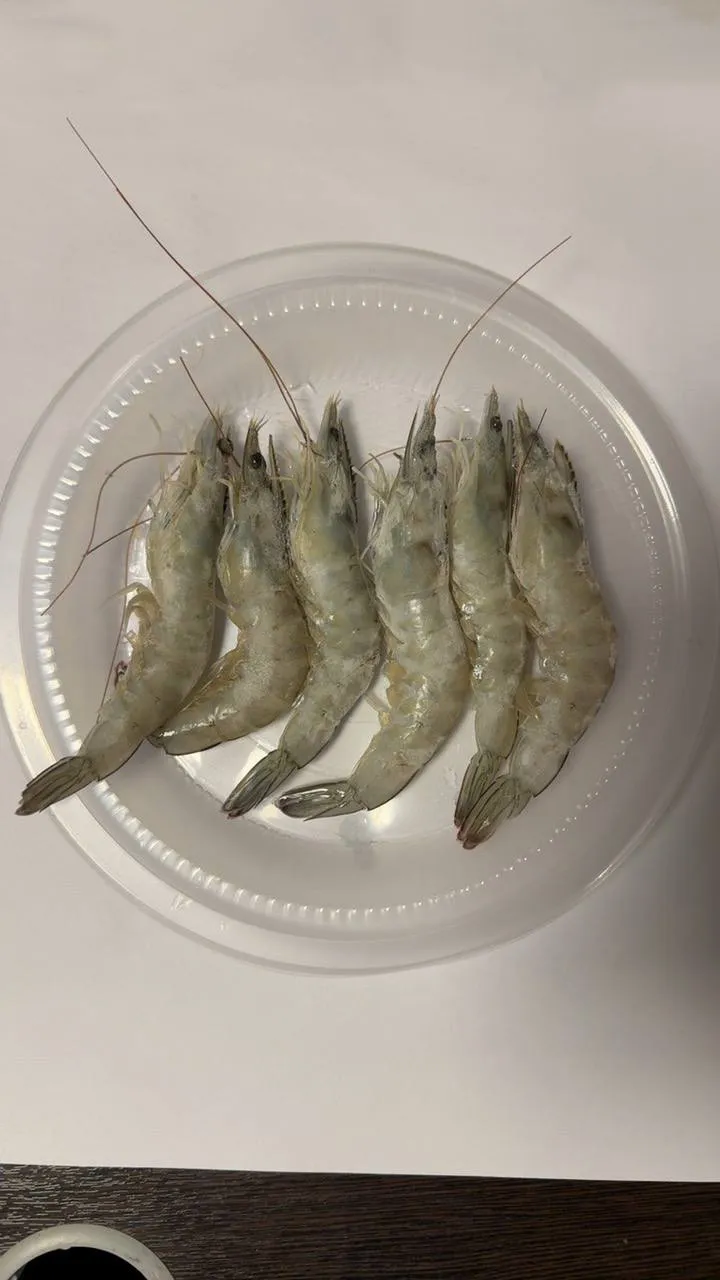
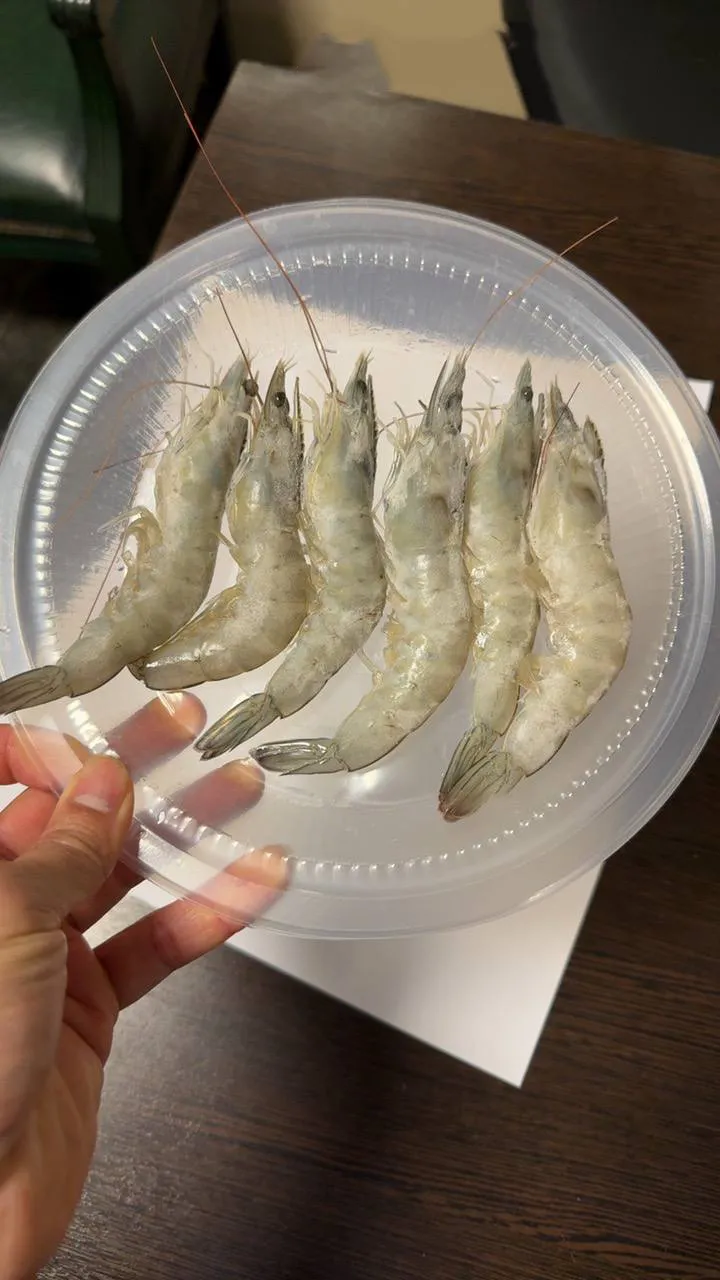
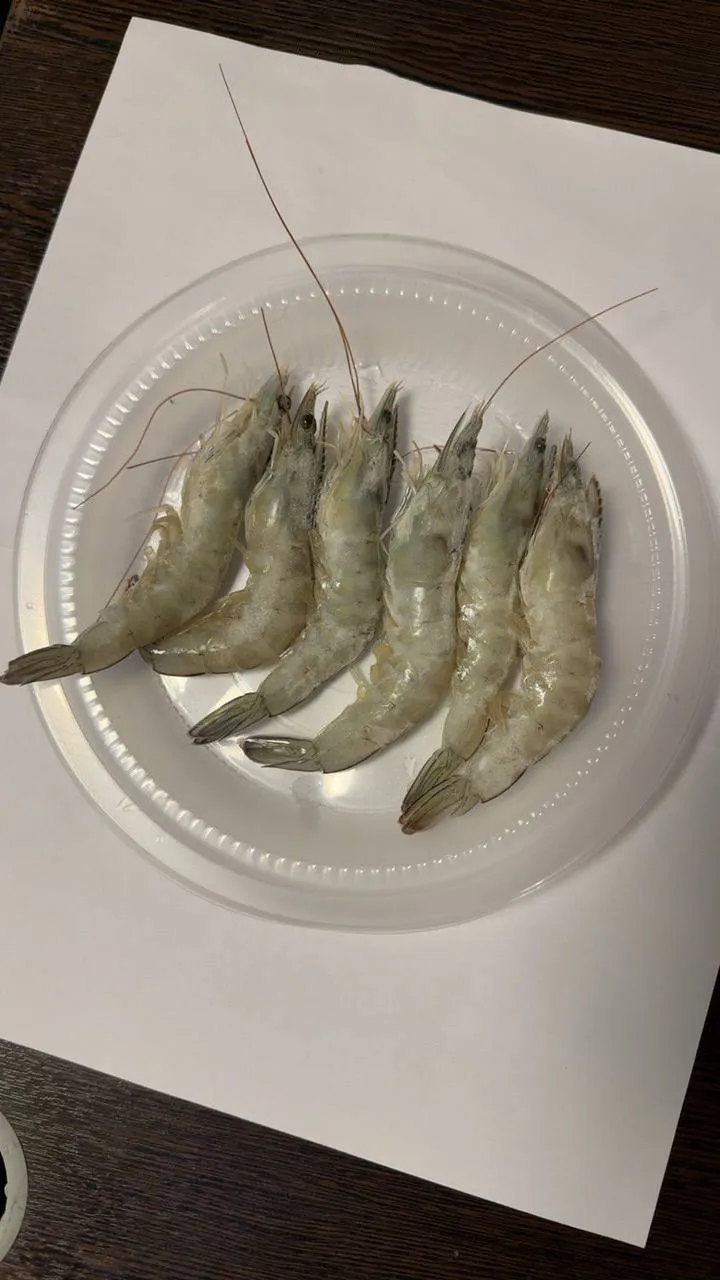
Bushehr Vannamei features white, firm, and tender meat with a mild, delightful flavor that enhances various cooking methods.
Our products are provided using Individual Quick Freezing (IQF) technology and packed in standard vacuum or carton packaging to fully preserve the quality, freshness, and nutritional value of the shrimp from harvest to consumption.
Shrimp is a seafood superfood rich in high-quality protein, Omega-3 fatty acids, Vitamin B12, and Selenium, contributing to immune system support, heart health, and brain function.